
THE CHALLENGE

Over 2 billion people lacking access to safely managed drinking water and a projected 40% shortfall between freshwater supply and demand by 2030.
Global water scarcity represents one of the most critical challenges of our time, with over 2 billion people lacking access to safely managed drinking water and a projected 40% shortfall between freshwater supply and demand by 2030. Global water stress is forecast to affect nearly half the world’s population by 2030, while current water utility systems lose over 30% of clean, treated water during distribution. This mounting crisis stems from multiple converging factors, including rapid population growth, intensive industrial and agricultural development, aging infrastructure, antiquated solutions, capital shortfalls, and climate change.
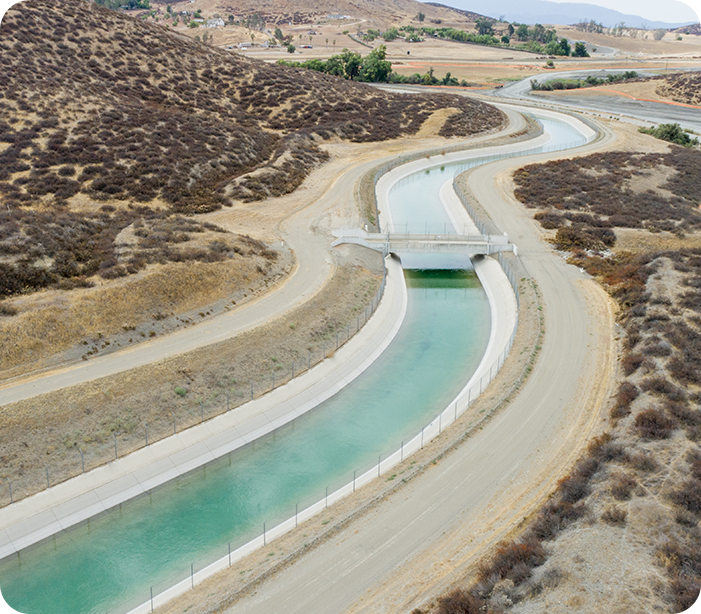
Addressing this unprecedented challenge requires innovative technological solutions spanning the entire water infrastructure ecosystem, such as smart water grids with real-time monitoring, IoT sensors, AI-driven analytics, water harvesting, and enhanced industrial water treatment technologies.
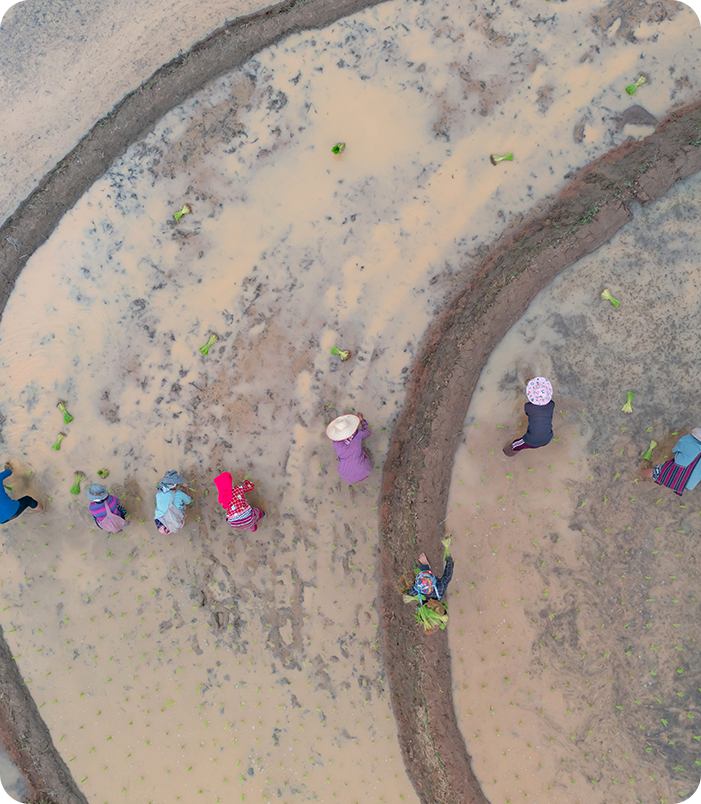
Equally critical are nature-based solutions to protect, sustainably manage, and restore natural or modified ecosystems, which may include wetland restoration, regenerative agriculture, and ecosystem management. These approaches provide sustainable and cost-effective solutions for basin replenishment, environmental enhancement, and community benefits.
Corporations will need to focus on enhancing water stewardship activities both within their operational fence lines and in the basins and communities outside their boundaries where they operate.
For communities and the environment, the integration of technology and nature-based solutions delivers transformative co-benefits that extend far beyond water security. Innovative solutions can grow societal wealth, reduce energy consumption, provide equitable access to clean water, enhance city and corporate resiliency, and improve human health and well-being.
However, realizing these solutions at scale faces a critical capital gap that threatens to undermine global water security goals. The world requires up to $7 trillion by 2030 for water infrastructure to meet SDG commitments.
Traditional funding mechanisms have proven insufficient, with public sector spending accounting for the majority of water investments, highlighting the urgent need for innovative blended finance approaches. Creative capital programs that combine concessional public financing with private investment, green bonds, impact investing, and philanthropic resources can de-risk projects and attract institutional investors by offering tailored risk-return profiles through pooled funding mechanisms.
Successfully bridging the global water gap requires unprecedented collective action and collaboration between corporations implementing comprehensive water stewardship programs that integrate both technological innovation and ecosystem restoration, NGOs facilitating community-driven solutions and providing technical expertise for nature-based implementations, and governments creating enabling policy frameworks.
OUR RESPONSE
